Contributor
RickStudent, Philosopher, Writer, Developer
Villa Rufinella is situated highest of the villas on the hill above the town of Frascati. It was built by Alessandro Ruffini, bishop of Melfi, in 1578, but during its history, the proprietors have made changes in different parts of it. In 1773 the villa became property of the pope. Architect Luigi Vanvitelli, commissioned by the Jesuits, gave the building its present appearance.[1]

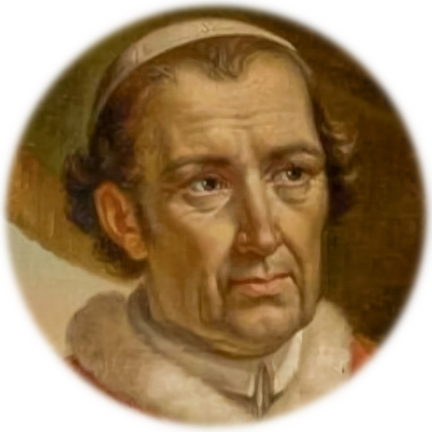
In 1804 Pope Pius VII sold the Villa to prince Lucien Bonaparte during his self-imposed exile in Rome.
Villa Rufinella — Villa Rufinella is situated highest of the villas on the hill above the town of Frascati. It was built by Alessandro Ruffini, bishop of Melfi, in 1578, but during its history, the proprietors have made changes in different parts of it. In 1773 the villa became property of the pope. Architect Luigi Vanvitelli, commissioned by the Jesuits, gave the building its present appearance.[1] In 1804 Pope Pius VII sold the Villa to prince Lucien Bonaparte during his self-imposed exile in Rome.
Photo Credit: By R Clemens at the English-language Wikipedia, CC BY-SA 3.0, https://commons.wikimedia.org/w/index.php?curid=4725832
Villa Rufinella Villa Rufinella is situated highest of the villas on the hill above the town of Frascati. It was built by Alessandro Ruffini, bishop of Melfi, in 1578, but during its history, the proprietors have made changes in different parts of it. In 1773 the villa became property of the pope. Architect Luigi Vanvitelli, commissioned by the Jesuits, gave the building its present appearance.[1] In 1804 Pope Pius VII sold the Villa to prince Lucien Bonaparte during his self-imposed exile in Rome.
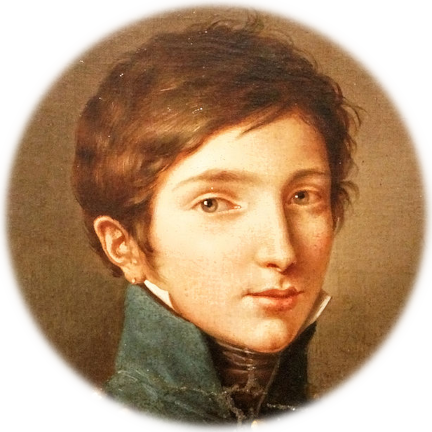
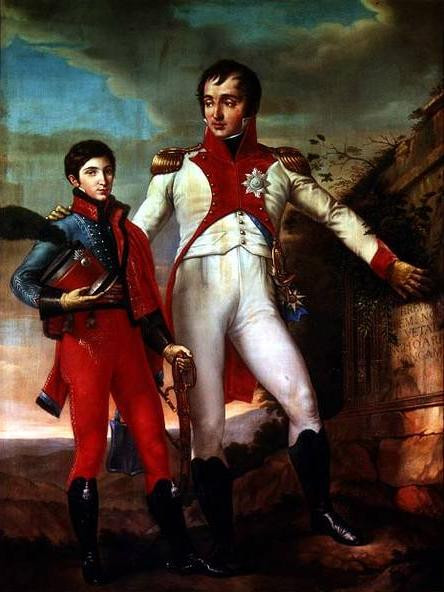
Lucien Bonaparte
Photo Credit: By Workshop of François-Xavier Fabre - Bonhams, Public Domain, https://commons.wikimedia.org/w/index.php?curid=22978040
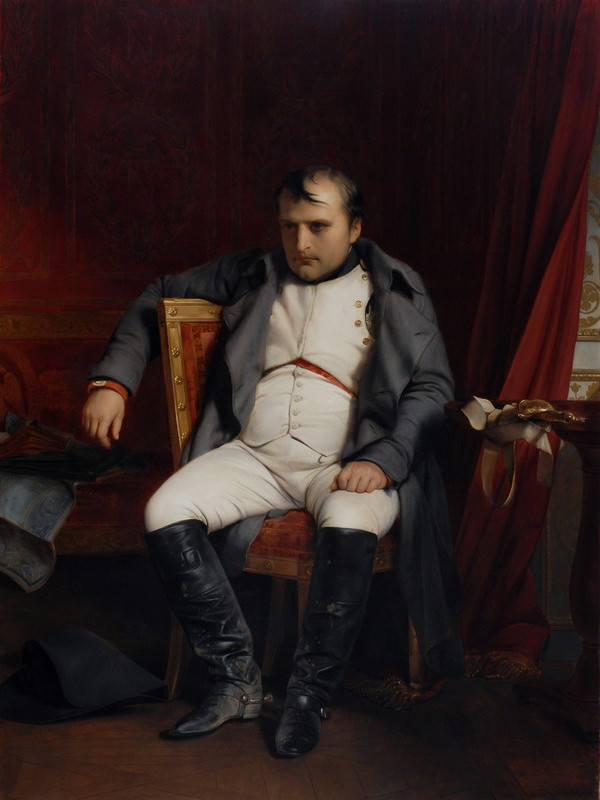
Napoleon II
Photo Credit: By Leopold Bucher - Public Domain, https://commons.wikimedia.org/w/index.php?curid=7494834
Finnish Foreign Minister Väinö Tanner reading the terms of the peace treaty on the Finnish radio at noon on 13 March 1940.
Moscow Peace Treaty — Finnish Foreign Minister Väinö Tanner reading the terms of the peace treaty on the Finnish radio at noon on 13 March 1940.
Photo Credit: By Otso Pietinen - Museovirastohttps://www.finna.fi/Record/musketti.M012:HK19670603:43040#image, CC BY 4.0, https://commons.wikimedia.org/w/index.php?curid=85469267
Moscow Peace Treaty Finnish Foreign Minister Väinö Tanner reading the terms of the peace treaty on the Finnish radio at noon on 13 March 1940.
A Finnish Maxim M/09-21 machine gun crew during the Winter War
Photo Credit: Public Domain, https://commons.wikimedia.org/w/index.php?curid=549346
cropped Flag of Finland
Photo Credit: Public Domain, https://commons.wikimedia.org/w/index.php?curid=343054
For documentary purposes the German Federal Archive often retained the original image captions, which may be erroneous, biased, obsolete or politically extreme. Bromberg, Leichen getöteter Volksdeutscher Zu den bestialischen Geiselmorden in Bromberg Scherl Bilderdienst, Berlin 7.9.39
Corpses of ethnic Germans at Bromberg — For documentary purposes the German Federal Archive often retained the original image captions, which may be erroneous, biased, obsolete or politically extreme. Bromberg, Leichen getöteter Volksdeutscher Zu den bestialischen Geiselmorden in Bromberg Scherl Bilderdienst, Berlin 7.9.39
Photo Credit: By Bundesarchiv, Bild 183-E10593 / CC-BY-SA 3.0, CC BY-SA 3.0 de, https://commons.wikimedia.org/w/index.php?curid=5362619
Corpses of ethnic Germans at Bromberg For documentary purposes the German Federal Archive often retained the original image captions, which may be erroneous, biased, obsolete or politically extreme. Bromberg, Leichen getöteter Volksdeutscher Zu den bestialischen Geiselmorden in Bromberg Scherl Bilderdienst, Berlin 7.9.39
Wehrmacht soldiers and journalists with German victims of Bloody Sunday. The photo was used by the Nazi press and bears the editor's cropping marks, showing the portion of the image that was intended to be used for publication
Bloody Sunday — Wehrmacht soldiers and journalists with German victims of Bloody Sunday. The photo was used by the Nazi press and bears the editor's cropping marks, showing the portion of the image that was intended to be used for publication
Photo Credit: By Bundesarchiv, Bild 183-2008-0415-505 / CC-BY-SA 3.0, CC BY-SA 3.0 de, https://commons.wikimedia.org/w/index.php?curid=5348780
Bloody Sunday Wehrmacht soldiers and journalists with German victims of Bloody Sunday. The photo was used by the Nazi press and bears the editor's cropping marks, showing the portion of the image that was intended to be used for publication
flag of New Zealand
Photo Credit: Public Domain, https://commons.wikimedia.org/w/index.php?curid=343685
Flag of Australia
Photo Credit: Public Domain, https://commons.wikimedia.org/w/index.php?curid=1993651
Front page of the US Armed Forces newspaper, Stars and Stripes, 2 May 1945, announcing Hitler's death
Photo Credit: By US Army - Stars and Stripes, the official US Army magazine., Public Domain, https://commons.wikimedia.org/w/index.php?curid=65960